Building Social Skills Through Early Music Classes
Early childhood is a crucial time for developing social skills, and parents often look for ways to help their children grow in a fun and engaging way. One of the most effective methods is through early music classes. These classes introduce children to rhythm, melody, and movement while providing opportunities to interact with other children in a positive, structured setting.
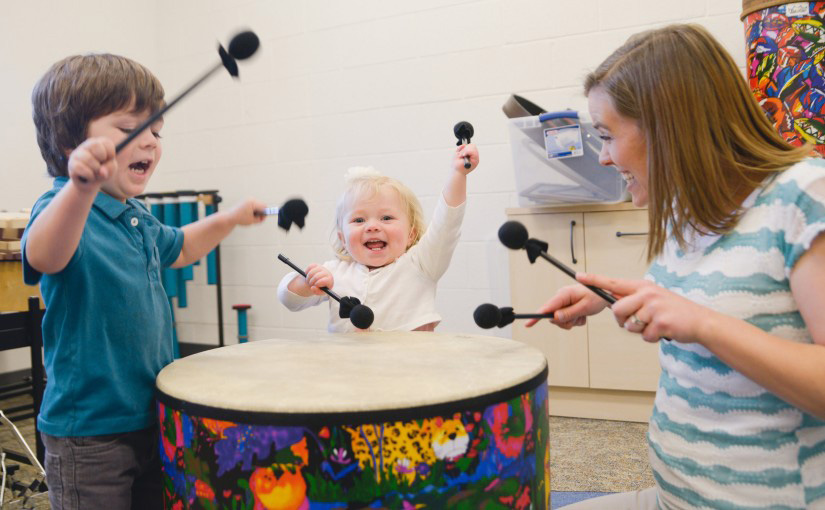
At childcare centres such as Glebe Childcare Centre, music classes are designed to help children communicate, share, and cooperate. Singing in a group, playing musical games, and moving to different rhythms encourages children to take turns, listen to each other, and express themselves confidently. These experiences are essential for building social skills that will benefit children throughout their lives.
How Music Classes Support Social Development
Music is a natural way for children to develop social skills, and its impact grows as they get older. Here is how music classes support social development for different age groups:
0–1 Years Old: For babies, music classes focus on exposure to sounds, rhythms, and movement. Listening to lullabies, simple songs, and gentle instruments helps babies recognize patterns and respond to social cues. Activities like swaying, clapping, or gentle singing encourage early interaction with caregivers and other children, laying the foundation for social awareness and attachment.
1–2 Years Old: Toddlers begin exploring imitation and simple social interactions. Singing along, shaking instruments, or moving to music helps children practice paying attention to others, taking turns, and responding to group activities. Music at this age encourages early communication skills and introduces the concept of playing and learning alongside peers.
2–3 Years Old: Children start participating more actively in group music activities. Short songs, call-and-response games, and rhythm exercises teach toddlers cooperation, patience, and listening skills. They begin to enjoy sharing musical experiences with classmates while developing the confidence to express themselves.
3–4 Years Old: Preschoolers are ready for structured musical activities that involve teamwork and coordination. Singing in groups, dancing together, or performing simple musical patterns encourages children to follow instructions, share, and collaborate. Music also helps them understand and express emotions, which strengthens empathy and social understanding.
4–5 Years Old: Children in this age group can engage in more complex group music experiences, such as performing songs together, keeping rhythms, or playing in small ensembles. These activities develop leadership, cooperation, and problem-solving skills. Music classes for this age prepare children for school by building confidence, teamwork, and advanced social skills that are essential for positive interactions with peers.
Choosing the Right Early Learning Environment
Parents searching for quality early childhood programs often look for “childcare near me” to find centres that provide more than basic supervision. Facilities like Glebe Daycare, Childcare Glebe, and Early Learning Centre Glebe offer structured programs that include music, movement, and creative arts to support both cognitive and social development.
Music classes are particularly effective because they combine sensory stimulation with social engagement. Children learn to recognize patterns, synchronize with peers, and express emotions while forming meaningful relationships. These skills are essential for successful interactions both in school and later in life.
Bringing Music Into Everyday Life
Music does not have to stay in the classroom. Parents and caregivers can reinforce social learning at home by singing songs together, playing simple rhythm games, or exploring basic instruments. These activities allow children to practice the same social skills they learn in early music classes while strengthening bonds between children and adults.
By choosing a childcare environment that emphasizes creative activities like music, parents give their children a head start in social development. Music not only entertains but also teaches cooperation, empathy, and confidence, creating a strong foundation for healthy social interactions.
In conclusion, building social skills through early music classes is a fun and effective way to support children’s growth. Centres like Early Learning Centre Glebe, Glebe Daycare, and Glebe Childcare Centre provide environments where children can develop socially, emotionally, and creatively, preparing them for a lifetime of positive interactions.
📍 Book a tour at WeKidz Early Learning Centre, 158 Bridge Rd, Glebe NSW 2037
🌐 wekidz.com.au | 📩 glebe@wekidz.com.au | ☎️ 1300 724 388